
What’s with All the Coaches and Why You Might Need One - episode 301
An introduction.
Before we jump into today's episode, I want to ask you a question.
Have you ever wondered why there seem to be coaches everywhere these days? Life coaches, business coaches, health coaches, mindset coaches—what's with all the coaches anyway?
And more importantly, how do you know if hiring a coach is actually right for you?
That's exactly why we created this special series, What's With All the Coaches and Why You Might Need One. In each episode, we’ll talk with coaches from different backgrounds to explore what coaching really is, who it helps, and how to know whether working with a coach could help you move forward in your own life.
Whether you're curious about hiring a coach, thinking about becoming one, or simply wondering what all the buzz is about, this series is for you.
To help you get even more out of these conversations, we’ve created a free companion guide called What's With All the Coaches? A Listener's Guide to Deciding Whether Coaching Is Right for You. Inside, you'll find reflection questions, red flags to watch for, questions to ask before hiring a coach, and a simple framework to help you determine your next step.

Coaching is taking someone where they cannot take themselves.
— Bill McCartney (American football coach)
What about Forgiveness?
Thoughts from What’s with All the Coaches and Why you Might Need One
In last week’s blog we talked about (that’s how I think of it by the way, we talked about) loss, and it ended with the sentence, We will talk about forgiveness another day. You may recall I was sharing some thoughts I had about the relationship I had with my father who recently passed. I’m not sure where that sentence came from but I knew I would revisit it. And so I am.
There’s been a lot more talk about forgiveness - its layers, its complexities, what it means to the parties involved. I think I have a better understanding of what it means to me. I’ve heard it said forgiveness is actually for you as it lets you off any hook you put yourself on. What the other person does, or does not do with the situation, is entirely up to them.
So what can forgiveness look like? It can look like letting go of the mental anguish and emotional sacrifice the offense is costing you. It’s like you’ve got 30 pounds of wound that you are carrying around. It’s extra weight and it doesn’t feel good. In fact it is painful to carry. What will you do with it? It seems to me you’ve got three choices:
You can aim the wound, the weight, at the person who you feel you’ve been hurt by. Is it deserved? Maybe, but who says? Could you even make it right by doing this? Doubtful. Feels good for a second. That fleeting ‘gotcha’ is prideful and ridiculously short-lived. Then comes feeling far worse than when you started. And/or then you grow apathetic, indifferent, cold, hard, and is that really how you want to live?
You can aim the wound at someone else completely outside of the situation. Taking it out on someone else is a thing we do. We rarely notice it at the time. Maybe later we will but often we do not. This individual does not even know where this is coming from or why. Healthy? I think not. Human? Maybe. The best choice? No.
You can suppress, push down the hurt and that’s a doozy of a choice. Turning it inward could be seen as the most damaging of all the choices. You may also replay what happened, who said what, how you felt, how wrong they were, etc. As you relive the scenario ad naseum you only hurt yourself over and over again, often far worse than the infliction of the original offense. There is a better way.
Your last option, your best option is to release it. Release the wrong, release the action (even the person if you can) that hurt you. Let’s talk about what releasing (forgiving) is not. It is does NOT mean that you: approve, excuse, justify, deny, refuse to take seriously, have closed eyes, pardon, or release from natural consequences. No. None of that.
Forgiveness is for you. It’s saying, No, thank you, I won’t be carrying around 30 extra pounds of wound. I’ve taken the time to process my feelings and this is the best choice for me. I relieve myself of this weight. Sometimes it means the releasing of a relationship, sometimes it means newfound understanding between people who want to do better, and sometimes it means new or adjusted boundaries that have become necessary.
It is okay to say no. It’s okay to say this is where I end, and you begin. It’s okay if you don’t like it. It is necessary for me, it is healthy. I have the right and the conviction to do what is best for me. It does not mean I don’t love you. It means I love me too.
Turn your wounds into wisdom. Amen.
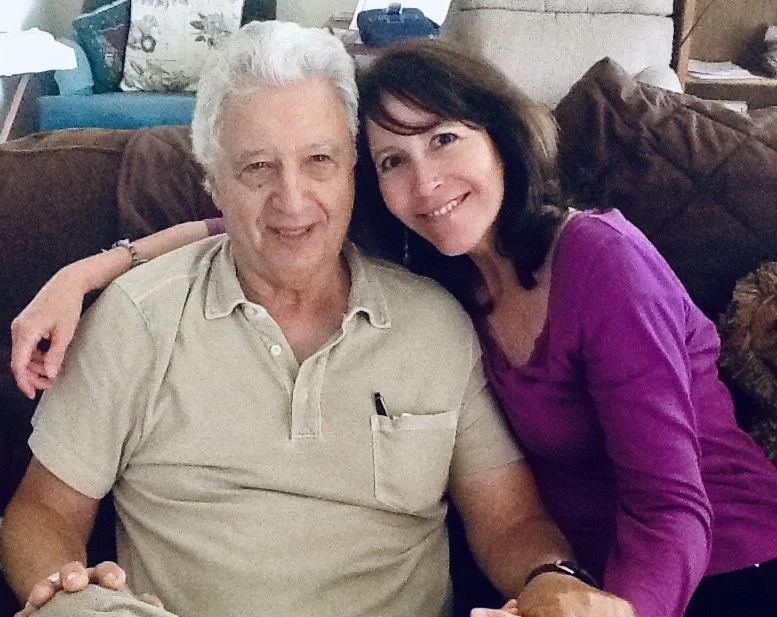
— Father and daughter, rare moment, rare photo
