
Why You Should Break Up with ‘Should’ - episode 297
Yes, I see it and I hear it. ‘Why you should break up with ‘should.’
It’s a play on words, one I want you to consider because the reality of doing it is freeing.
Today we’re talking about one small word that quietly carries a surprising amount of pressure: should.
The things we should do.
The people we should be.
The timelines we should follow.
And somewhere along the way, especially for many women in the second half of life, should becomes so loud that we can barely hear ourselves anymore.
In this episode, we’re exploring what happens when you stop living from obligation and start living from permission instead. Because maybe the next chapter of your life doesn’t begin with what you should do… maybe it begins with what you could do, and what you get to do.
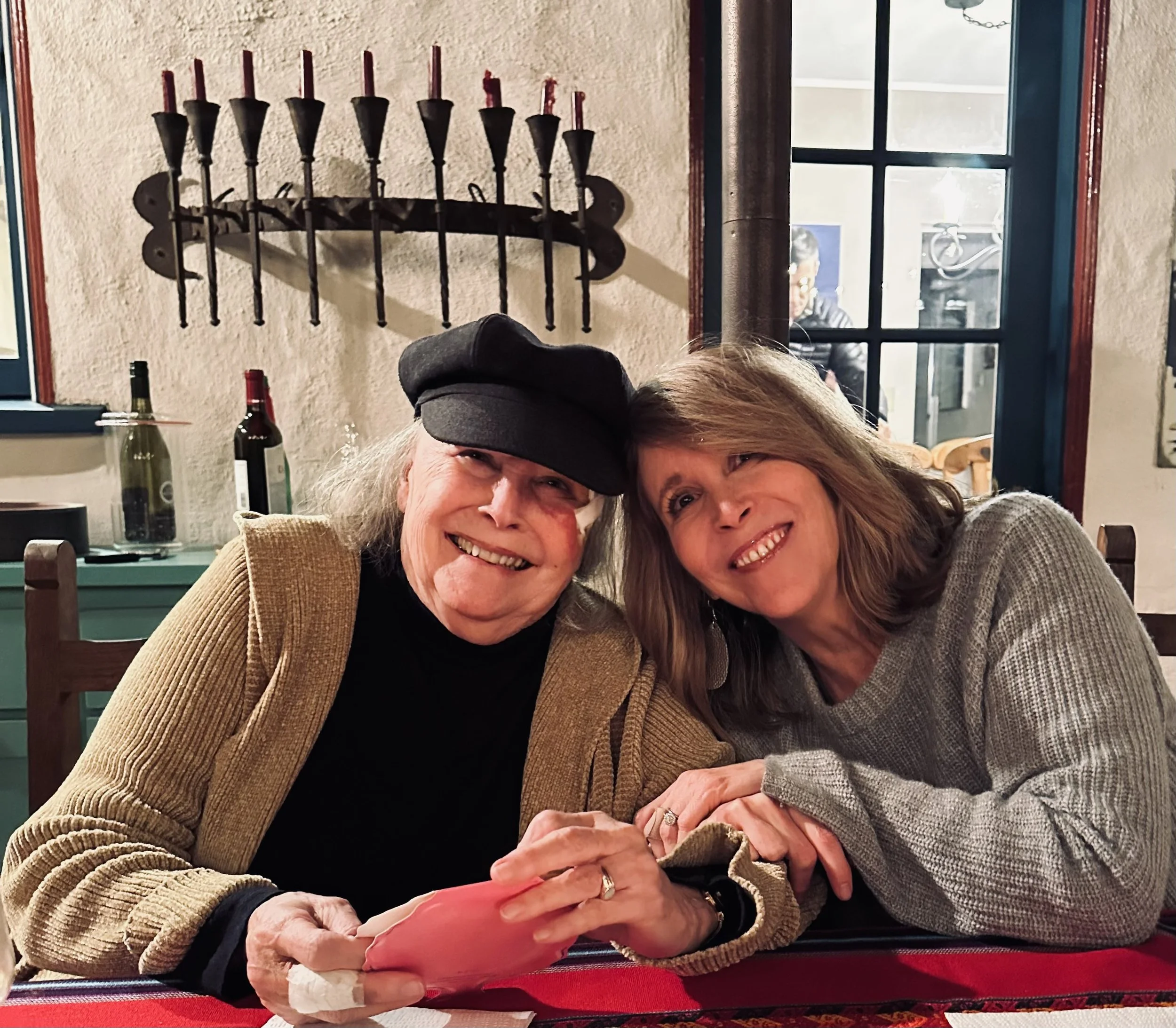
‘Should’ leads to disappointment while ‘could’ leads to possibility and ‘get to’ leads to excitement.
— Which do you like best?
Let it Be
Thoughts from Why You Should Break Up with ‘Should’
In the last few blogs we’ve been chatting about our thoughts, how we can shift them for our good, and also in choosing a thought, how we can go from ‘should’ to ‘could’ to ‘get to’. That also brings me to ‘should-a, would-a, could-a’ which is a way to either express regret or more commonly to accept we did our best with whatever situation we are referring to. It’s become a popular idiom to dismiss useless complaints.
Recently we were at an out of town wedding and the news had traveled that Ron’s daughter was no longer with us. (See the blog The Best Part of Her.) Lots of condolences were shared and greatly appreciated. One woman (who happens to be a therapist) took some time to tell us a story of her own losses and encouraged us to know that at any given time we had done our best, that there was peace there, if only we chose it. She even gave Ron the postcard (below) to stress that point.
You can never do things perfectly. You can rarely know, Ah this is the last time I will see, talk to, text this person so it better be extraordinarily meaningful so they will know the love I felt, how I will miss them, etc. As if making this dramatic final scene would make all the difference. No, really it’s in the every day contact and connection that mattered the most, not the final one.
And that’s where you get to let yourself off the hook. You can give yourself permission to accept whatever the last interaction was, the ordinariness of it, and be ok. Avoid, If I’d only known and then fill in the blank. The truth is, you will rarely know. Only in deathbed scenes where you know the person is on their way out, is that even possible, and even then, you would have to hold 24-hour, 7-days-a-week vigil to make sure you were there for it. That is too much pressure and not at all realistic. I seriously doubt your loved one expects that of you. Rather, soak in what was. They are free now, and you can be too. Better to simply let it be. It was your best, full stop.
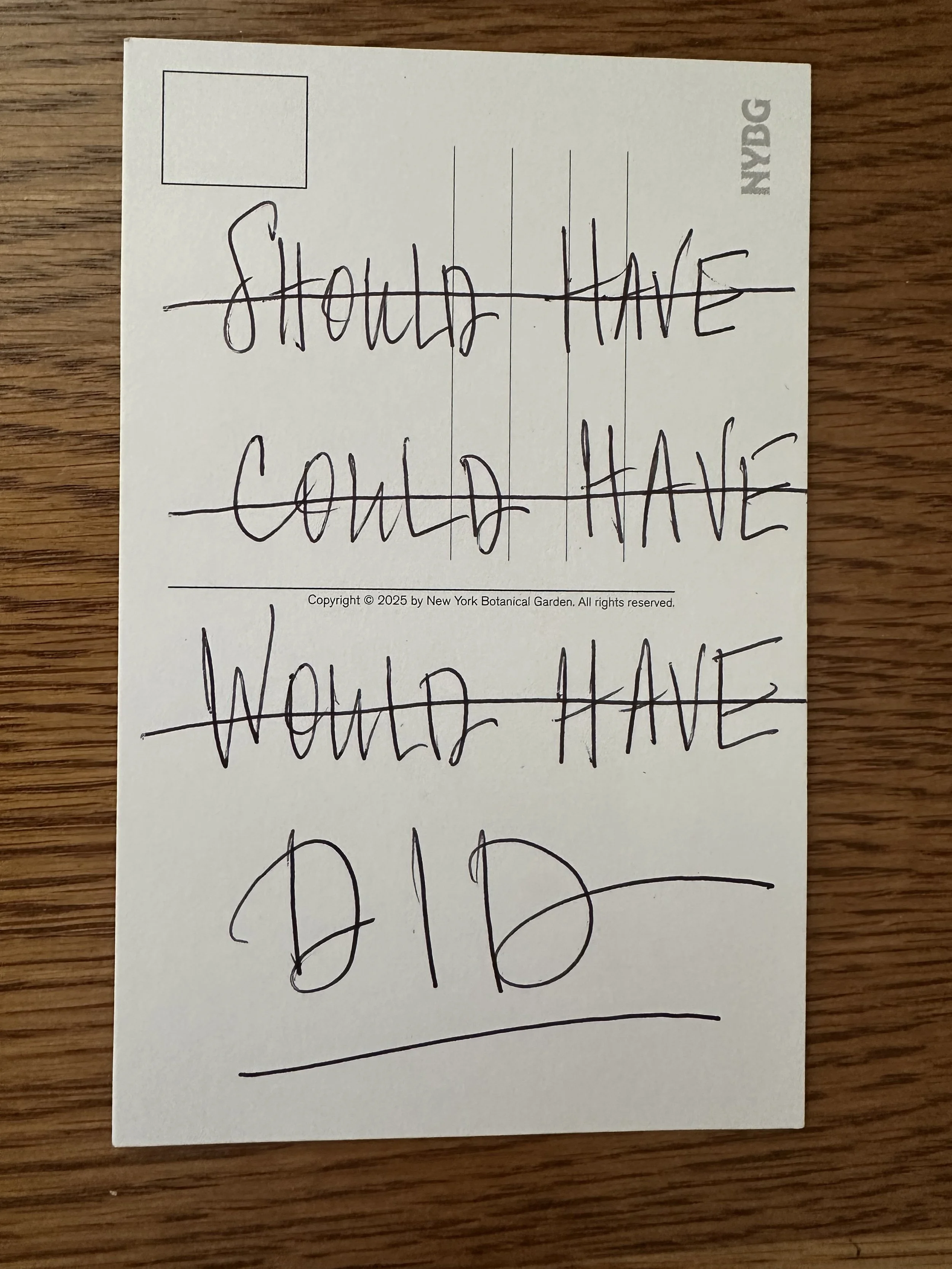
Yes, you did. It was your best in all its imperfection.
— Amen and amen
