
10 Ways You Apologize for, that you Actually Need to STOP - episode 295
One thing we (women especially) notice as we age - we can start to feel invisible.
We can feel like we don’t matter as much anymore.
Today’s episode is here to tell you, you are
Not diminished
Not invisible
And it’s not too late
We can get some visibility back when we stop apologizing for who we are.
Seriously, knock it off.
And a question for you, a challenge really: Will you be…
Brave enough to face fear and to turn it down?
Brave enough to find meaningful direction?
Brave enough to feel significant again?
Brave enough to fantasize about what’s next?
Brave enough to fulfill all God has for you?
Now you just have to believe it. God does. Why don’t you?
Here are 10 things that you can stop doing today to get you started…

We can get some visibility back when we stop apologizing for who we are.
— Seriously, knock it off
The Best Part of Her
10 Ways You Apologize for, that you Actually Need to STOP
It seems that feeling invisible, or not feeling seen is a common phenomenon. As women age they feel it. Maybe men do too. People that don’t fit into the norm, or haven’t been invited to the inner circle, don’t feel seen.
I would say another category of people would be the mentally ill. They are often misunderstood and have a challenging time seeing things the way most of the rest of us do. Perception is a tricky thing, isn’t it? That brings me to my husband’s daughter, Kori. I had a very small hand in helping Ron raise her. (Lots of family details not needed for this particular blog.) So what is the point? Why am I bringing her up?
Kori turned 40 on March 2. She has… (I started to say ‘battled’ but is that really a fair description of what severely mentally ill people endure?) been living with dual diagnoses of Bipolar and Schizoaffective Disorders. Using the word ‘disorder’ hardly begins to describe the aberration of what she endured. Oh sure there were periods of relative stability. And other times of chaos, cruel words, and threats.
When this is a family member, you spend inordinate amounts of time, energy, worry (and money, although that is the least of things) and time, energy and worry. Yes, this pattern repeats over and over again. Then there are the hospitalizations and the never ending med changes. For her, then came paranoia and sprinkle in a healthy dose of obsessive-compulsive disorder. Friends, this is a cocktail for an agonizing life.
She was unable to receive most of the love offered her. Kori wanted friends but didn’t really have any, especially lasting ones. She relied on family (really, too heavily) to meet her needs and often her demands. I’ve never met a man who was steadfast, generous and thoughtful as Ron has been with Kori. These kiddos take the lion’s share of the family attention. I don’t think they can help it. But still.
On April 16 Ron realized he hadn’t talked to her in a few days. Neither had his sister. Neither had one of his other daughters. They went to go check at her place. I suggested he call 911 and have them do a wellness check. The police came. They did the check. Yes, Kori took her life. She succeeded this time after other failed attempts. The police told Ron they were very glad he did not go in.
And so begins a heart-wrenching chapter. My husband will now need to bury a second child.
We are devastated it came to this. Honestly what else could have been done?
That is an interesting part. Several of us were commenting on the guilt we felt about the relief. How can you feel good about feeling that? Well, it turns out you can. You can give yourself permission to be relieved she is not in pain, she is not suffering, she is free, and she knows peace. In a human sense we can also be relieved that the fallout from mental illness does not take front and center. The guilt can take a back seat or not even get in the car at all. That’s our choice.
We all did our best. Was it perfect? Definitely not. Could we have done more? Maybe. And maybe that came in saying ‘no’ to her a little bit more, without feeling guilty. We will have to unpack if any ‘enabling’ was done so that we learn from it. What else can we do? The mental illness was not anyone’s fault. Yet it was her responsibility. And that sucks.
Now we will remember the better times. We were reminiscing today about family dinners eaten outside and how when I served cooked carrots she would toss them over the fence into the neighbor’s yard. I hadn’t known about that one until recently. Or when at the funeral for her baby brother, unprompted, she stood up in front of a few hundred people and thanked them for how they cared for our family with food, rides to school for our children, and anything else that was needed. Or how when her dad and I were first dating she walked right up to me as an 8-year old, put out her hand for me to shake and said, ‘Hi, I’m Kori.’
That is what I will remember. The best part of her.
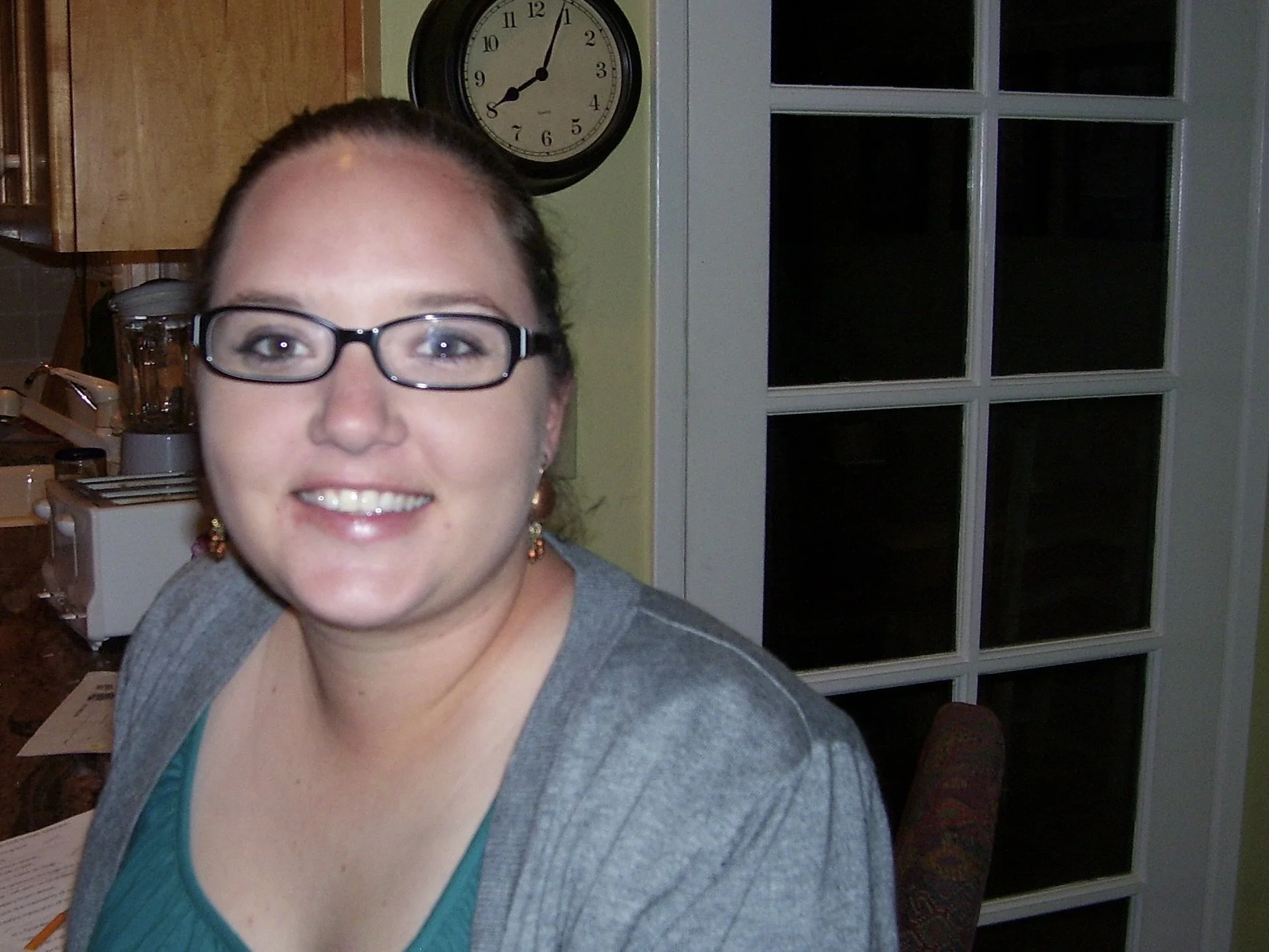
Kori Amor Nau
— March 2, 1986 to April 16, 2026
Godspeed…
